

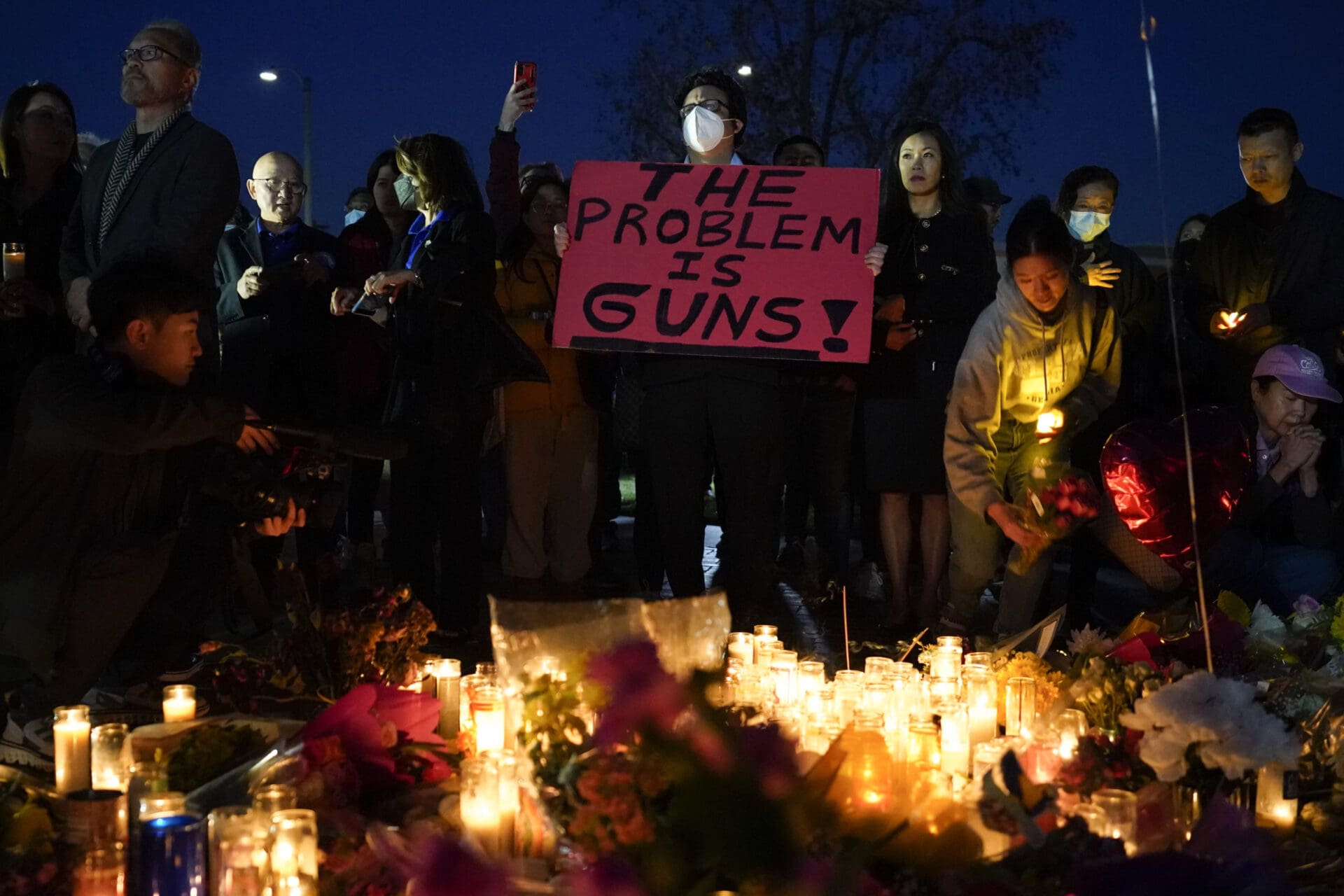
New research suggests mass shootings might be the grim outlier when it comes to the effectiveness of gun laws.
“I don’t know if there is a law that can be enacted related to mass shootings that would prevent them. Though I’d also say that doesn’t mean such laws aren’t useful, or that having scientific evidence that a law would work should be why it should or shouldn’t be (enacted),” said Andrew Morral, a behavioral scientist at the RAND Corporation and co-author of The Science of Gun Policy project, an ongoing study launched in 2018 that issued its third update earlier this month. …
In their research, Morral and other RAND scientists track thousands of studies looking at how different types of gun laws affect everything from gun violence, such as homicides and suicides, to the price of guns and the legal use of guns, such as self-defense, hunting and sport shooting. Though such research is relatively new – in part because from 1992 to 2018 federal funding was not allowed to be used to collect gun violence data – RAND’s study of the studies has found some patterns.
For example, studies show that gun-related violent crime is more common in communities with “stand your ground” laws and in communities that make it easy to carry concealed weapons. Also, stricter rules about storing and locking up guns, known as “child access prevention laws,” may reduce violent crime, suicide and accidents – but possibly at the cost of making it harder to use guns for self-defense.
But RAND didn’t find a lot of strong research into how laws prevent mass shootings. Though Morral said there is “limited” evidence that banning the sale of assault weapons and high-capacity ammunition magazines curtails mass shootings, he was quick to point out that “limited” is “our weakest evidence rating short of ‘inconclusive.’”
— Andre Mouchard and Tony Saavedra in The Press-Enterprise in Would Any Law Be Able to Prevent Mass Shootings?

